The work of love and sacrifice means trouble that nothing but supernatural aid and Divine strength can touch. The heartache of those who are wakened up to any due sense of the eternal is one that nothing but the hand that moves all things can soothe or remedy. Faith in the absolute goodness of God can alone sustain the mind in these deep places of fear, and under the shadow of death.
http://biblehub.com/john/14-1.htm
Showing posts with label healing. Show all posts
Showing posts with label healing. Show all posts
Sunday, March 16, 2014

Thursday, February 20, 2014
Sunday, February 16, 2014
So beautiful
Jesus, please untie the knots in my mind, in my heart and in my love. Remove the-HAVE-NOTS-the-CAN-NOTS-the-DO-NOTS-knot that are in my kind. Erase the WILL NOTS, MAY NOTS and MIGHT NOTS that occupy space in my mind. Release me from the COULD NOTS, WOULD NOTS and the SHOULD NOTS that hinder, obstruct and take away you in my life.
But beyond that and deeper than that, Lord, remove from every area of my being: my mind, heart and life all of the AM NOTS that I have allowed to manifest; that hinder me, hold me hostage and bind me. Especially the thought that I AM not good enough. Thank you that I am enough to you - let that truth resonate within me today and everyday. In Jesus' name, Amen.

https://www.facebook.com/LauryneWasan
But beyond that and deeper than that, Lord, remove from every area of my being: my mind, heart and life all of the AM NOTS that I have allowed to manifest; that hinder me, hold me hostage and bind me. Especially the thought that I AM not good enough. Thank you that I am enough to you - let that truth resonate within me today and everyday. In Jesus' name, Amen.
https://www.facebook.com/LauryneWasan
Tuesday, February 4, 2014
I am at ease.
My mind is at peace now.
I can finally enjoy the sound of the waves.
Thank You so much, Lord.
You are ready to use me.
I love You.
~JB
I can finally enjoy the sound of the waves.
Thank You so much, Lord.
You are ready to use me.
I love You.
~JB
Tuesday, July 30, 2013
Friday, June 14, 2013
HIGH 6/14/13
Off life. Love. The people in my life. How beautiful is recovery. How quick it can come.
Love - you are my healer. Thankful for all the amazing people in my life.
JESSICA IS BACK!!! WATCH OUT!
Proud.
Love - you are my healer. Thankful for all the amazing people in my life.
JESSICA IS BACK!!! WATCH OUT!
Proud.
Thursday, June 13, 2013


Tuesday, June 11, 2013
6/11/13
RESILIENCE. STRENGTH. FOCUS. GUARDED HEART. HEALING. MOVING FORWARD . . .
thank you so much M.N.
-such a beautiful person w/ a beautiful soul
-you're almost going to make me cry, you are such a beautiful person
-know your triggers and avoid what sets you off
-you are wise for your age and mature!
-send out arrow prayers
-everyone is different and it's natural to compare, but we shouldn't let that lead to judgment. The only person G-d says we can judge is ourselves, don't even LOOK at your neighbor
-women can be very nurturing
-there is much more good you can do being alive so be safe
thank you so much M.N.
-such a beautiful person w/ a beautiful soul
-you're almost going to make me cry, you are such a beautiful person
-know your triggers and avoid what sets you off
-you are wise for your age and mature!
-send out arrow prayers
-everyone is different and it's natural to compare, but we shouldn't let that lead to judgment. The only person G-d says we can judge is ourselves, don't even LOOK at your neighbor
-women can be very nurturing
-there is much more good you can do being alive so be safe
Those self-help email subscriptions? There when I need em!
Thankful.

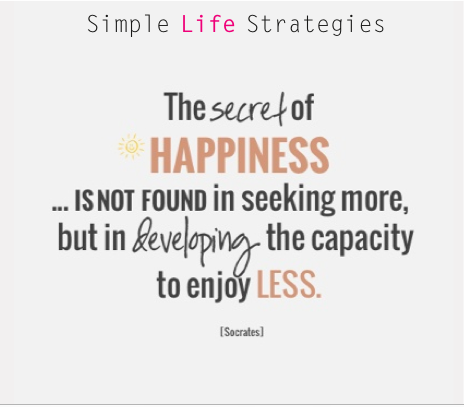
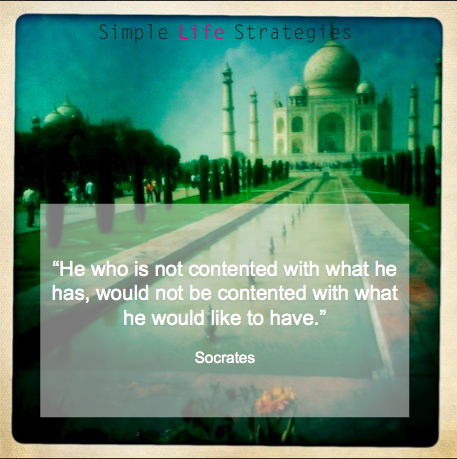
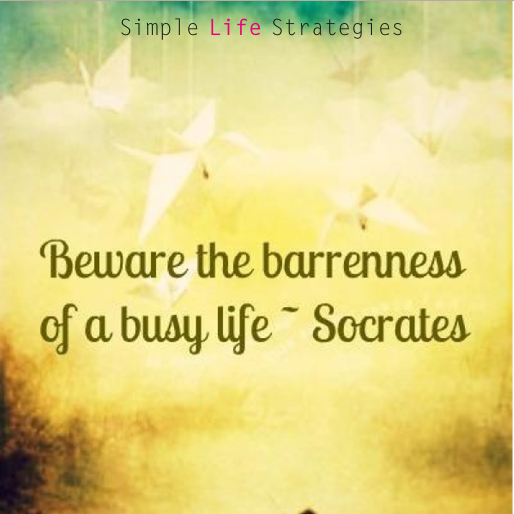
Socrates believed that human choice was motivated by the desire for happiness, ultimate wisdom comes from knowing oneself and the more a person knows, the greater his or her ability to reason and make choices that will bring true happiness.
Read each quote slowly and soak up the learnings from a man with a truly great mind.


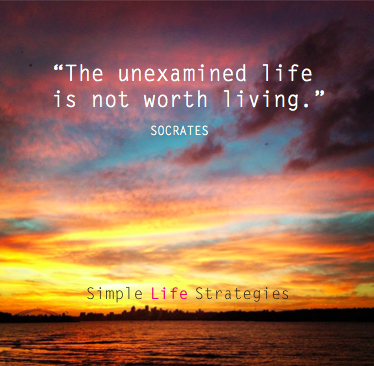
Socrates believed that human choice was motivated by the desire for happiness, ultimate wisdom comes from knowing oneself and the more a person knows, the greater his or her ability to reason and make choices that will bring true happiness.
Read each quote slowly and soak up the learnings from a man with a truly great mind.
Thursday, May 2, 2013

Tuesday, April 30, 2013
Sound Healing Changed My Life & Why It Can Change Yours
A few weeks ago, I went with a group of friends on an adventure to the desert. It all started because two very talented friends, Rufus Wainwright and his sister Lucy, were playing a show at Pappy and Harriets in Pioneertown, California.
One quality that really struck me while I was on the road with Rufus was his natural ability to create adventure wherever he goes. It's a beautiful gift which comes from his sense of wonder and openness to exploring the world.
Rufus had arranged a visit to a domed building called the Integratron. But first, we all hiked out to a gigantic boulder known (surprisingly) as Big Rock. This was the birthplace of the Integratron back in the 1950s.
According to the story, a guy named George Van Tassel was meditating under Big Rock one night when he was visited by aliens. George was an aeronautical engineer who said the aliens gave him instructions on how to create an age-defying machine. He worked on it for 17 years, never managing to complete it before he died suddenly in 1978. The instructions mysteriously vanished.
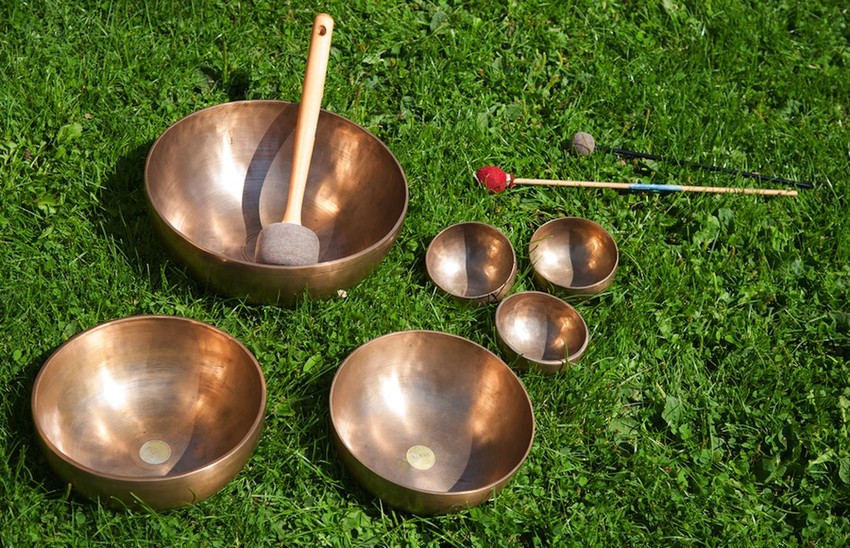
Eventually, the Integratron was turned into a chamber for sound healing. So, after our visit to Big Rock we went there for a session. If you’ve never participated in a sound healing session, crystal bowls of varying size are placed next to each other and played by circling the outside rim, which causes a sound vibration. Some say this sound vibration has special healing properties, and the environment of the Integratron is said to heighten the healing effect.
We all lay in a circular formation with our heads towards the center of the dome while the sound bounced off the walls in interesting and disorienting ways. The vibrations were as intense as sitting on top of a bass amp. You could feel it through your whole body! The session lasted about 45 minutes.
I can’t speak to the truth of any claims about the Integratron or even about sound healing. But, as a meditation trainer, I could immediately see the value in the experience. You may be familiar with the Buddhist term "impermanence." In the practice of meditation, the flow of impermanence is more than just an intellectual understanding that change happens in your life. It’s experiential, right now in this moment. We begin to discover ourselves and our world as being in a constant state of flux.
For many meditators, this is detectable in the body as a deeply pleasant tingly, wavy or bubbly flow of energy. This flow of energy is pointing us toward our true nature. When we know the flow of impermanence completely, we experience the absence of separation between ourselves and the world, even between being and non-being. We experience change as the only true constant. We recognize nothingness, pregnant with the possibility of all things, as being our true nature. This realization liberates us from the constricting, yet familiar, habit of having a limited identity. The meditative path is about recognizing our true nature over and over, with greater and greater awareness.
But for many of us, the path from our ordinary mindset to liberation can seem like a daunting journey. So, from my perspective, the true value of an experience like sound healing is its ability to heighten your awareness of impermanence. When your whole body vibrates in response to sound waves, you're sensitive to the flow of impermanence. You are experiencing yourself as porous and resonant.
A sound healing session is ceremonial, treating sound in a novel and sacred way. If your goal is liberation, the key is to use the sound waves as a path to greater insight. Rather than viewing the experience as conditional, or placing the experience outside yourself, you can treat sound healing as a unique opportunity to discover your true, formless nature. Then the sound is healing on the deepest level.
8 Tips To Relax And Feel Healthy
1. Make “me-time” a priority.
Carve out 30 minutes to an hour daily. Schedule it. Use this down time to take a nice hot bath with dead sea salts, essentials oils and your favorite natural bath products. Light candles and play soothing music. Give yourself a massage with coconut oil. Give yourself a facial. Finish off with a mani-pedi. This isn’t just for the ladies. Guys, you can do this too.
2. Say no to others and say yes to yourself.
Overextending yourself is the fastest way to accrue stress. Saying no doesn’t mean you aren’t helping others. It means you're saying YES to yourself and respecting your own needs. If an invitation comes up that makes you say, “meh,” skip it. If someone requests something from you that feels too heavy, not aligned with your present focus or doesn’t make you feel resourceful, pass on it. As an added bonus, this frees up time to do things you actually enjoy.
3. Allow nature to re-energize you.
Spend some time in the sun’s healing rays. Ground yourself by walking barefoot on grass or sand. Spend some time in ocean water. Get plenty of fresh air and breathe deeply. Spend some time stargazing or watching the clouds. Hug a tree. Plant a flower garden. Grow your own food.
4. Do something fun and adventurous every day.
Even with a busy schedule, you can find 30 minutes to do something fun. Be creative with your time. Create a bucket list while you’re on the toilet or in between calls at work. Begin checking off those items each day as you try new things. When time is more available, do the bigger things you wish to accomplish.
5. Ask for help.
If you need help with any of your daily tasks such as cooking or laundry, ask. If there’s a project at work that’s causing frustration, see who you can enlist to speed up the project. If you're bored or lonely, ask friends or family to spend time with you. If your back hurts, ask for a massage. It’s not that others aren’t willing to support you; you simply haven’t articulated your needs.
6. Let your plate heal you.
Plant-based food has natural healing components. Eat more plants and less meat. Use food as medicine and eat foods that reduce illness. Reduce or eliminate caffeine, sugar, gluten, alcohol, dairy, and soy, which are often the biggest culprits of diet-based stress. Swap out coffee for herbal tea. Try almond or coconut milk. Instead of sugar, try stevia, raw honey or medjool dates to sweeten.
7. Slow down.
Meditate for at least 20 minutes per day. Take several deep breaths. Close your eyes for a few minutes every hour. Resist the urge to tightly pack your schedule. Practice gentle and slow paced forms of exercise such as yoga, qigong and tai chi.
8. Reduce your time with energy vampires.
This includes people and technology. Identify people who drain your energy and distance yourself from them. Have one “unplugged” day every week with no television, phone, video games or internet. Reduce the amount of time you spend texting, emailing, working, updating your Facebook status message, and tweeting.
Happy healing!
Carve out 30 minutes to an hour daily. Schedule it. Use this down time to take a nice hot bath with dead sea salts, essentials oils and your favorite natural bath products. Light candles and play soothing music. Give yourself a massage with coconut oil. Give yourself a facial. Finish off with a mani-pedi. This isn’t just for the ladies. Guys, you can do this too.
2. Say no to others and say yes to yourself.
Overextending yourself is the fastest way to accrue stress. Saying no doesn’t mean you aren’t helping others. It means you're saying YES to yourself and respecting your own needs. If an invitation comes up that makes you say, “meh,” skip it. If someone requests something from you that feels too heavy, not aligned with your present focus or doesn’t make you feel resourceful, pass on it. As an added bonus, this frees up time to do things you actually enjoy.
3. Allow nature to re-energize you.
Spend some time in the sun’s healing rays. Ground yourself by walking barefoot on grass or sand. Spend some time in ocean water. Get plenty of fresh air and breathe deeply. Spend some time stargazing or watching the clouds. Hug a tree. Plant a flower garden. Grow your own food.
4. Do something fun and adventurous every day.
Even with a busy schedule, you can find 30 minutes to do something fun. Be creative with your time. Create a bucket list while you’re on the toilet or in between calls at work. Begin checking off those items each day as you try new things. When time is more available, do the bigger things you wish to accomplish.
5. Ask for help.
If you need help with any of your daily tasks such as cooking or laundry, ask. If there’s a project at work that’s causing frustration, see who you can enlist to speed up the project. If you're bored or lonely, ask friends or family to spend time with you. If your back hurts, ask for a massage. It’s not that others aren’t willing to support you; you simply haven’t articulated your needs.
6. Let your plate heal you.
Plant-based food has natural healing components. Eat more plants and less meat. Use food as medicine and eat foods that reduce illness. Reduce or eliminate caffeine, sugar, gluten, alcohol, dairy, and soy, which are often the biggest culprits of diet-based stress. Swap out coffee for herbal tea. Try almond or coconut milk. Instead of sugar, try stevia, raw honey or medjool dates to sweeten.
7. Slow down.
Meditate for at least 20 minutes per day. Take several deep breaths. Close your eyes for a few minutes every hour. Resist the urge to tightly pack your schedule. Practice gentle and slow paced forms of exercise such as yoga, qigong and tai chi.
8. Reduce your time with energy vampires.
This includes people and technology. Identify people who drain your energy and distance yourself from them. Have one “unplugged” day every week with no television, phone, video games or internet. Reduce the amount of time you spend texting, emailing, working, updating your Facebook status message, and tweeting.
Happy healing!
My All-Time Favorite Tip For Dealing With Stress
As a Reiki practitioner and teacher, hypnotist, and reflexologist, I sometimes feel like I should have my stress levels under control by now. In fact, I’ve made huge strides in this department over the years, but recently came to some realizations about room for improvement, and wanted share my all-time favorite tip.
Here are three of those realizations:
Your body doesn’t differentiate between big stresses and little ones.
You think it would, right? When we’re stressed, our bodies are ramped up in sympathetic nervous system mode (fight-or-flight) and we respond the same whether it’s the overwhelm of an inbox full of emails that need responses asap, a huge deadline, or a hungry tiger.
The body is not hardwired to differentiate among stressors—all it knows is that it needs to react, fast.
Ideally, our body is supposed to shift out of this sympathetic mode to the parasympathetic nervous system (otherwise known as rest- and-digest mode) once the crisis is over. A body that's highly stressed forgets how to do this on its own. Which leads me to my second realization…
One stress management technique that doesn’t work: Bingeing and purging. (And no, I’m not talking about eating!)
What do I mean by bingeing and purging with stress? In other words: it’s when we stress out all day and then try to recover and make up for it at the end of the day or on the weekends by taking a yoga class, going to the gym, or getting a Reiki session or a massage, etc. OK, hold on, I’m not saying throw out your yoga mats and stop getting bodywork! These things work in conjunction with the solution I propose below.
One stress management technique that does work: Interrupt stress. Constantly.
I’ve built my wellness practice around this core principle because I believe so strongly in it. The best way to reduce stress is to find ways to interrupt it throughout the day so it doesn’t accumulate.
A good metaphor: think of stress filling a bucket throughout the day—maybe with a few drops for smaller stresses (e.g. missing the train, getting cut off in traffic) and more drops for bigger stresses (e.g. a fight with a partner or friend, a chronic illness). If you don’t empty the bucket, it overflows. Interrupting stress throughout the day is a good way to empty that bucket.
How do you interrupt stress? Personalize this for you. What stress-relief techniques do you already know that take less than a minute to do?
I love showing people self-hypnosis techniques that take less than a minute. I’m a huge fan of EFT (Emotional Freedom Technique) and teach this to almost every client I see. (And yes, I have done it walking down the street!) Another favorite is the Heart Breathing Technique.
When you do the Heart Breathing Technique your heart and brain synchronize and get in balance. It only takes a minute, and creates positive changes in your heart rhythms, sending powerful signals to the brain that can improve how you’re feeling. It's a great technique to use when you're feeling stressed.
Try This
Here's a simplified version you can do on your own:
Drop your awareness down to your heart. Imagine the breath passing in and out of the heart. Think of someone or some place you love and imagine breathing this love into your heart. You'll notice a shift as you do this.
http://www.mindbodygreen.com/0-8940/my-all-time-favorite-tip-for-dealing-with-stress.html
Here are three of those realizations:
Your body doesn’t differentiate between big stresses and little ones.
You think it would, right? When we’re stressed, our bodies are ramped up in sympathetic nervous system mode (fight-or-flight) and we respond the same whether it’s the overwhelm of an inbox full of emails that need responses asap, a huge deadline, or a hungry tiger.
The body is not hardwired to differentiate among stressors—all it knows is that it needs to react, fast.
Ideally, our body is supposed to shift out of this sympathetic mode to the parasympathetic nervous system (otherwise known as rest- and-digest mode) once the crisis is over. A body that's highly stressed forgets how to do this on its own. Which leads me to my second realization…
One stress management technique that doesn’t work: Bingeing and purging. (And no, I’m not talking about eating!)
What do I mean by bingeing and purging with stress? In other words: it’s when we stress out all day and then try to recover and make up for it at the end of the day or on the weekends by taking a yoga class, going to the gym, or getting a Reiki session or a massage, etc. OK, hold on, I’m not saying throw out your yoga mats and stop getting bodywork! These things work in conjunction with the solution I propose below.
One stress management technique that does work: Interrupt stress. Constantly.
I’ve built my wellness practice around this core principle because I believe so strongly in it. The best way to reduce stress is to find ways to interrupt it throughout the day so it doesn’t accumulate.
A good metaphor: think of stress filling a bucket throughout the day—maybe with a few drops for smaller stresses (e.g. missing the train, getting cut off in traffic) and more drops for bigger stresses (e.g. a fight with a partner or friend, a chronic illness). If you don’t empty the bucket, it overflows. Interrupting stress throughout the day is a good way to empty that bucket.
How do you interrupt stress? Personalize this for you. What stress-relief techniques do you already know that take less than a minute to do?
I love showing people self-hypnosis techniques that take less than a minute. I’m a huge fan of EFT (Emotional Freedom Technique) and teach this to almost every client I see. (And yes, I have done it walking down the street!) Another favorite is the Heart Breathing Technique.
When you do the Heart Breathing Technique your heart and brain synchronize and get in balance. It only takes a minute, and creates positive changes in your heart rhythms, sending powerful signals to the brain that can improve how you’re feeling. It's a great technique to use when you're feeling stressed.
Try This
Here's a simplified version you can do on your own:
Drop your awareness down to your heart. Imagine the breath passing in and out of the heart. Think of someone or some place you love and imagine breathing this love into your heart. You'll notice a shift as you do this.
http://www.mindbodygreen.com/0-8940/my-all-time-favorite-tip-for-dealing-with-stress.html
Monday, April 22, 2013
Motivate Yourself Without Pushing Yourself: Tips for Self-Compassion
“Our sorrows and wounds are only healed when we touch them with compassion.” ~Buddha
My tips to create more self-compassion include:
1. Be aware if you are being hard on yourself and recognize where this shows up for you.
It can be subtle. Look at all life areas, including your health, finances, and relationships, at work and in your family.
2. Challenge your beliefs and fears.
Do you have a belief that if you are gentle with yourself you will somehow not be motivated enough or not all you can be? Recognize that this doesn’t have to be true. Also, notice if you feel that being compassionate toward yourself will lead you to feel self-indulgent or selfish.
3. Treat yourself kindly, without judgment.
Picture your best friend and how you treat them. Now apply this same love and kindness to yourself. You should be your own best friend after all!
4. Be mindful of when you slip out of compassion and start to treat yourself harshly again.
Forgive yourself and understand that you are human and this is part of the human game.
5. Feel the pain of others around you.
Listen to their stories and feel what it must be like to be them. This will make you automatically feel compassion and be softer on yourself as you connect with their common humanity.
We all have issues and problems that cause us pain, but suffering through them is optional. Self-compassion provides another option.
My tips to create more self-compassion include:
1. Be aware if you are being hard on yourself and recognize where this shows up for you.
It can be subtle. Look at all life areas, including your health, finances, and relationships, at work and in your family.
2. Challenge your beliefs and fears.
Do you have a belief that if you are gentle with yourself you will somehow not be motivated enough or not all you can be? Recognize that this doesn’t have to be true. Also, notice if you feel that being compassionate toward yourself will lead you to feel self-indulgent or selfish.
3. Treat yourself kindly, without judgment.
Picture your best friend and how you treat them. Now apply this same love and kindness to yourself. You should be your own best friend after all!
4. Be mindful of when you slip out of compassion and start to treat yourself harshly again.
Forgive yourself and understand that you are human and this is part of the human game.
5. Feel the pain of others around you.
Listen to their stories and feel what it must be like to be them. This will make you automatically feel compassion and be softer on yourself as you connect with their common humanity.
We all have issues and problems that cause us pain, but suffering through them is optional. Self-compassion provides another option.
Sunday, April 21, 2013
vibration
When you're in the flow of things what do you notice? Do you have feelings show up, does your body have a fun reaction, do your senses heighten?
When I am in the flow of creation and resonating with my highest vibration I notice tingles, I notice the pressure of the air on my skin, I notice I become fully engaged in every way and it is hard to grasp my attention in any other direction. I Love the process of co-creating and flowing free ♥

When I am in the flow of creation and resonating with my highest vibration I notice tingles, I notice the pressure of the air on my skin, I notice I become fully engaged in every way and it is hard to grasp my attention in any other direction. I Love the process of co-creating and flowing free ♥
Thursday, April 18, 2013
4/18/13
healing the spirit by consciously deciding to improve oneself is a necessary part of the Reiki healing experience. In order for the Reiki healing energies to have lasting results, the client must accept responsibility for her or his healing and take an active part in it. Therefore, the Usui system of Reiki is more than the use of the Reiki energy. It must also include an active commitment to improve oneself in order for it to be a complete system. The ideals are both guidelines for living a gracious life and virtues worthy of practice for their inherent value.
The secret art of inviting happiness
The miraculous medicine of all diseases
Just for today, do not anger
Do not worry and be filled with gratitude
Devote yourself to your work. Be kind to people.
Every morning and evening, join your hands in prayer.
Pray these words to your heart
and chant these words with your mouth
Usui Reiki Treatment for the improvement of body and mind
The founder , Usui Mikao
Hand Positions for Treating Others
Hand Positions for Self-Treatment
The secret art of inviting happiness
The miraculous medicine of all diseases
Just for today, do not anger
Do not worry and be filled with gratitude
Devote yourself to your work. Be kind to people.
Every morning and evening, join your hands in prayer.
Pray these words to your heart
and chant these words with your mouth
Usui Reiki Treatment for the improvement of body and mind
The founder , Usui Mikao
Hand Positions for Treating Others
Hand Positions for Self-Treatment
Tuesday, April 9, 2013
The Art of Resilience
Research on resilience breaks down the myth that a troubled childhood leaves us emotionally crippled as an adult.
Think you're a prisoner of a troubled childhood? Think again. You need not go through the rest of your life as an emotional cripple. It is possible to bounce back from adversity and go on to live a healthy, fulfilling life. In fact, more people do it than you may think.
Resilience may be an art, the ultimate art of living, but is has recently been subjected to the scrutiny of science. This much is known so far. At the heart of resilience is a belief in oneself—yet also a belief in something larger than oneself.
Resilient people do not let adversity define them. They find resilience by moving towards a goal beyond themselves, transcending pain and grief by perceiving bad times as a temporary state of affairs.
Experts argue among themselves about how much of resilience is genetic. People do seem to differ in their inborn ability to handle life's stresses. But resilience can also be cultivated. It's possible to strengthen your inner self and your belief in yourself, to define yourself as capable and competent. It's possible to fortify your psyche. It's possible to develop a sense of mastery.
And it's definitely necessary to go back and reinterpret past events to find the strengths you have probably had within all along. Some evidence shows that it's not really until adulthood that people begin to surmount the difficulties of childhood and to rebuild their lives.
One problem is, there are elements of our culture that glorify frailty, says Washington, D.C. psychiatrist Steven Wolin, M.D. There is a whole industry that would turn you into a victim by having you dwell on thetraumas in your life. In reality you have considerable capacity for strength, although you might not be wholly aware of it.
Sometimes it is easier to be a victim; talking about how other people make you do what you do removes the obligation to change. And sympathy can feel sweet; talk of resilience can make some feel that no one is really appreciating exactly how much they have suffered.
Wolin defines resiliency as the capacity to rise above adversity—sometimes the terrible adversity of outright violence, molestation or war—and forge lasting strengths in the struggle. It is the means by which children of troubled families are not immobilized by hardship but rebound from it, learn to protect themselves and emerge as strong adults, able to lead gratifying lives.
Resilient people don't walk between the raindrops; they have scars to show for their experience. They struggle—but keep functioning anyway. Resilience is not the ability to escape unharmed. It is not about magic.
Most people mistakenly operate on what Wolin calls "the damage model," a false belief about the way disease is transmitted. It basically says that if your family is having trouble, the chances are high that you will suffer lasting emotional disturbances. It's a prophecy of doom.
Wolin offers survivors of troubled families a more balanced perspective about their past, based on 20 years of his own research on adult children of alcoholics. Most of them, he has found, do not repeat their parents' drinking patterns. The same is true of adults who have survived families troubled by mental illness, chronic marital disputes, racial discriminationand poverty.
The ground-breaking resilience research of sociologist Emmy Werner, Ph.D., of the University of California, showed that even at the time about a third of kids never seemed to be affected by the grinding poverty, alcoholism and abuse in the homes they grew up in. Of the remaining two-thirds, many were troubled as teens, typically turning to petty crime. But by the time they reached their 30s and 40s, they had pulled themselves together, determined to not repeat their parents' lives.
A troubled family can indeed inflict considerable harm on its children, but resilient people are challenged by such troubles to experiment and respond actively and creatively. Their pre-emptive responses to adversity, repeated over time, become incorporated into their inner selves as lasting strengths.
To the degree that it is learned, resilience seems to develop out of the challenge to maintain self-esteem. Troubled families make their children feel powerless and bad about themselves. Resilience is the capacity for a person to maintain self-esteem despite the powerful influence of theparents.
It is also possible to be hurt and to rebound at the same time. We human beings are complex enough psychologically to accommodate the two. What the resilient do is refrain from blaming themselves for what has gone wrong. In the language of psychology, they externalize blame. And they internalize success; they take responsibility for what goes right in their lives.
One way they do this, Wolin has found, is to maintain independence. Survivors draw boundaries between themselves and troubled parents; they keep their emotional distance while satisfying the demands ofconscience. Resilient children often hang out with families of untroubled peers. As adults, the resilient children of alcoholics marry into stable, loving families with whom they spend a great deal of time.
Survivors cultivate insight, the mental habit of asking themselves penetrating questions and giving honest answers. They also take the initiative. They take charge of problems, stretching and testing themselves.
But they don't do all the work alone. One of the cardinal findings of resilience research is that those who lacked strong family support systems growing up sought and received help from others—a teacher, a neighbor, the parents of peers or, eventually, a spouse. They were not afraid to talk about the hard times they were having to someone who cared for their well-being.
Relationships foster resilience, Wolin contends. Resilient people do the active give-and-take work necessary to derive emotional gratification from others.
Reframing is at the heart of resilience. It is a way of shifting focus from the cup half empty to the cup half full. Wolin accords it a central role in "survivor's pride." He tells the story of a patient, a woman who felt helpless. She had been whipped by her father throughout childhood any time he felt challenged. Wolin instead encouraged her to see herself as smart, an accomplished strategist. She had eventually learned to recognize her father's moods and respond to them.
There are lessons in her tale for everyone, Wolin insists. You re-examine your life story to see how heroic your acts were as a child. You go back to an incident, find the strengths, and build self-esteem from the achievement.
Psychologist Edith Grotberg, Ph.D., believes that everyone needs reminders of the strengths they have. She urges people to cultivate resilience by thinking along three lines:
I Have: strong relationships, structure, rules at home, role models; these are external supports that are provided;
I Am: a person who has hope and faith, cares about others, is proud of myself; these are inner strengths that can be developed;
I Can: communicate, solve problems, gauge the temperament of others, seek good relationships—all interpersonal and problem-solving skills that are acquired.
http://www.psychologytoday.com/articles/200305/the-art-resilience
Think you're a prisoner of a troubled childhood? Think again. You need not go through the rest of your life as an emotional cripple. It is possible to bounce back from adversity and go on to live a healthy, fulfilling life. In fact, more people do it than you may think.
Resilience may be an art, the ultimate art of living, but is has recently been subjected to the scrutiny of science. This much is known so far. At the heart of resilience is a belief in oneself—yet also a belief in something larger than oneself.
Resilient people do not let adversity define them. They find resilience by moving towards a goal beyond themselves, transcending pain and grief by perceiving bad times as a temporary state of affairs.
Experts argue among themselves about how much of resilience is genetic. People do seem to differ in their inborn ability to handle life's stresses. But resilience can also be cultivated. It's possible to strengthen your inner self and your belief in yourself, to define yourself as capable and competent. It's possible to fortify your psyche. It's possible to develop a sense of mastery.
And it's definitely necessary to go back and reinterpret past events to find the strengths you have probably had within all along. Some evidence shows that it's not really until adulthood that people begin to surmount the difficulties of childhood and to rebuild their lives.
One problem is, there are elements of our culture that glorify frailty, says Washington, D.C. psychiatrist Steven Wolin, M.D. There is a whole industry that would turn you into a victim by having you dwell on thetraumas in your life. In reality you have considerable capacity for strength, although you might not be wholly aware of it.
Sometimes it is easier to be a victim; talking about how other people make you do what you do removes the obligation to change. And sympathy can feel sweet; talk of resilience can make some feel that no one is really appreciating exactly how much they have suffered.
Wolin defines resiliency as the capacity to rise above adversity—sometimes the terrible adversity of outright violence, molestation or war—and forge lasting strengths in the struggle. It is the means by which children of troubled families are not immobilized by hardship but rebound from it, learn to protect themselves and emerge as strong adults, able to lead gratifying lives.
Resilient people don't walk between the raindrops; they have scars to show for their experience. They struggle—but keep functioning anyway. Resilience is not the ability to escape unharmed. It is not about magic.
Most people mistakenly operate on what Wolin calls "the damage model," a false belief about the way disease is transmitted. It basically says that if your family is having trouble, the chances are high that you will suffer lasting emotional disturbances. It's a prophecy of doom.
Wolin offers survivors of troubled families a more balanced perspective about their past, based on 20 years of his own research on adult children of alcoholics. Most of them, he has found, do not repeat their parents' drinking patterns. The same is true of adults who have survived families troubled by mental illness, chronic marital disputes, racial discriminationand poverty.
The ground-breaking resilience research of sociologist Emmy Werner, Ph.D., of the University of California, showed that even at the time about a third of kids never seemed to be affected by the grinding poverty, alcoholism and abuse in the homes they grew up in. Of the remaining two-thirds, many were troubled as teens, typically turning to petty crime. But by the time they reached their 30s and 40s, they had pulled themselves together, determined to not repeat their parents' lives.
A troubled family can indeed inflict considerable harm on its children, but resilient people are challenged by such troubles to experiment and respond actively and creatively. Their pre-emptive responses to adversity, repeated over time, become incorporated into their inner selves as lasting strengths.
To the degree that it is learned, resilience seems to develop out of the challenge to maintain self-esteem. Troubled families make their children feel powerless and bad about themselves. Resilience is the capacity for a person to maintain self-esteem despite the powerful influence of theparents.
It is also possible to be hurt and to rebound at the same time. We human beings are complex enough psychologically to accommodate the two. What the resilient do is refrain from blaming themselves for what has gone wrong. In the language of psychology, they externalize blame. And they internalize success; they take responsibility for what goes right in their lives.
One way they do this, Wolin has found, is to maintain independence. Survivors draw boundaries between themselves and troubled parents; they keep their emotional distance while satisfying the demands ofconscience. Resilient children often hang out with families of untroubled peers. As adults, the resilient children of alcoholics marry into stable, loving families with whom they spend a great deal of time.
Survivors cultivate insight, the mental habit of asking themselves penetrating questions and giving honest answers. They also take the initiative. They take charge of problems, stretching and testing themselves.
But they don't do all the work alone. One of the cardinal findings of resilience research is that those who lacked strong family support systems growing up sought and received help from others—a teacher, a neighbor, the parents of peers or, eventually, a spouse. They were not afraid to talk about the hard times they were having to someone who cared for their well-being.
Relationships foster resilience, Wolin contends. Resilient people do the active give-and-take work necessary to derive emotional gratification from others.
Reframing is at the heart of resilience. It is a way of shifting focus from the cup half empty to the cup half full. Wolin accords it a central role in "survivor's pride." He tells the story of a patient, a woman who felt helpless. She had been whipped by her father throughout childhood any time he felt challenged. Wolin instead encouraged her to see herself as smart, an accomplished strategist. She had eventually learned to recognize her father's moods and respond to them.
There are lessons in her tale for everyone, Wolin insists. You re-examine your life story to see how heroic your acts were as a child. You go back to an incident, find the strengths, and build self-esteem from the achievement.
Psychologist Edith Grotberg, Ph.D., believes that everyone needs reminders of the strengths they have. She urges people to cultivate resilience by thinking along three lines:
I Have: strong relationships, structure, rules at home, role models; these are external supports that are provided;
I Am: a person who has hope and faith, cares about others, is proud of myself; these are inner strengths that can be developed;
I Can: communicate, solve problems, gauge the temperament of others, seek good relationships—all interpersonal and problem-solving skills that are acquired.
http://www.psychologytoday.com/articles/200305/the-art-resilience
Monday, April 8, 2013
Helping Others Helps Us All: We’re All in This Together
“Pain is not a sign of weakness, but bearing it alone is a choice to grow weak.” ~Lori Deschene
I, like many of you I’m guessing, am a wanderer. A student of the soul. At times it can be a bewildering path. Most days I give thanks for the adventure. Many others I wish for clarity and certainty.
But though I am a wanderer, I am not aimless: I have a path as deep and true as any other. I simply have no map to guide me, only my intuition, and the myriad teachers that cross my path: people, places, books, ideas, synchronicities.
I have learned to trust my inner senses. When I am on my path, my life feels good and right; off it, I am aware that I am scrambling through the undergrowth and finding my way at the edge of cliffs.
For a long while I wondered what this path actually was. What was it that defined some actions as “right” for my soul direction, and others “wrong”? Especially when many of them seemed to appear synchronistically, out of the blue, and were counterintuitive.
The idea of a “path,” or what Lao Tzu calls “the Way,” works for me.
It’s as though there is a channel through life that is “right” for each of us to take. An invisible highway of least resistance in the midst of white noise, which resonates at the same frequency that we do and seems to draw us forward, exerting some sort of magnetic pull.
When we are on it everything makes sense, we find flow better, we feel right in ourselves, we have a sense of something larger than our own small ambitions guiding us.
I have begun to see that the path, this invisible pull to our souls, is in fact our own personal way to wholeness: our own unique healing prescription.
Our path, I have learned, takes us through the experiences, thoughts, and meetings that will heal every aspect of our selves, even, and especially, those that are hidden from our conscious awareness.
The words “whole” and “heal” come from the same root. To reach wholeness, we must heal from the wounds and distorted vision that life and our perceptions have wrought on us.
Therefore, each healing path must be unique, as each of our woundings is unique. And yet they each share many similarities, because in the end we are all humans and our stories cross over.
This is the part that many of us miss. We are so focused on “finding me,” on healing ourselves, that we walk on our individual paths looking down at our feet. We forget the fellow travellers around us. And this is where our ability to fully heal is lost, because we cannot do it alone.
The emphasis in Western medicine, the self-help and personal development movements is very much on the individual. “You’re the most important thing in your life” messages have trumped the greater truth, which is that we are tribal creatures and herding mammals.
We are only as strong as our weakest members. The fate of us all lies in all our hands.
If you see a group of migrating birds, a shoal of fish, or a herd of wildebeest, there is a constant communication going on between them. They move as one, navigating canyons and predators.
They listen for the calls of others, and they listen to the instinct within. Both guide and steer them. Both have equal weight. But the overriding aim is to find the path and stay on it together, to find the safe way, the yielding way together—to get through together.
One day last week, feeling frustrated at myself and the seemingly disparate roles that I could not quite reconcile, I had a realization of immense clarity; I could not let go of any of them because they were all actually different facets of the same thing: healing.
The internal guidance system that leads my work as a writer, teacher, editor, and artist; my roles as mother, daughter, partner, and friend, are all one big journey of healing myself, and sharing that process with others for their own healing.
My instinct to heal and to help others heal are equally strong driving forces that determine my whole life.
This is what I love about all of my heroes: their dedication to healing, and their willingness to reflect on their pain and share what they have learned.
Then I zoomed out and saw it from a much larger perspective—that this is some human instinct, a basic herd instinct—the need to help to heal the herd, to keep us all together, all moving in the same direction.
Like the race that an African tribe does, the aim of which is not who wins or runs longest or fastest, but that everyone finishes together.
Sue Monk Kidd reflects on this herd healing in her beautiful book, Dance of the Dissident Daughter.
She recalls watching a nature program about whales and seeing these behemoths throwing themselves out of the water and crashing down on their backs.
The narrator shared that naturalists believe that breaching, as it is called, might be their way of communicating when the seas get rough. A spectacular way of creating strong vibrations in the water, marking their route so that the others in their group would not get lost.
She reflects on how women do this too, an example that I feel applies to all humans:
“Women must have the whale’s instinct. When we set out on a woman’s journey we are often swimming in a high and unruly sea, and we seem to know that the important thing is to swim together—to send out our vibrations, our stories, so that no one gets lost.”
So here we are, the waters are rising on this precious Earth of ours, the storm waves crashing. Many of our global population are tired, have lost our bearings. But the instinct is strong. Many of us who are aware of the need for healing are calling out, breaching: “This way, this way!” we call.
We share our stories, show our healing, so that others might find their way onto the path of healing too. So that person by person, community by community, country by country we might find a better way to live. So that we can find healing for our whole herd, and a path, a way through.
Sometimes I doubt myself. I wonder why I do my work. But now I know. I do it for me just as much as I do it for you.
I speak or paint or write or dance with One Billion Rising, because I am adding my vibration, which is the most basic thing I can give. Because I yearn to the depths of my soul to be healed. To be free from suffering. To see those I love and those I don’t know free from suffering too.
So I ask you, every time you feel the instinct rise, like a whale breaching in the center of your soul, with the urge to reach out and share words of love, gratitude, kindness, forgiveness, appreciation, hope, and healing, do it.
Every time you feel the desire to give a stroke, kiss, hug, gift, or smile, but you think it makes no difference, or that you don’t have time, do it.
It matters. More than you could ever know.
In fact, it’s really the only thing that does.
http://tinybuddha.com/blog/helping-others-helps-us-all-were-all-in-this-together/
I, like many of you I’m guessing, am a wanderer. A student of the soul. At times it can be a bewildering path. Most days I give thanks for the adventure. Many others I wish for clarity and certainty.
But though I am a wanderer, I am not aimless: I have a path as deep and true as any other. I simply have no map to guide me, only my intuition, and the myriad teachers that cross my path: people, places, books, ideas, synchronicities.
I have learned to trust my inner senses. When I am on my path, my life feels good and right; off it, I am aware that I am scrambling through the undergrowth and finding my way at the edge of cliffs.
For a long while I wondered what this path actually was. What was it that defined some actions as “right” for my soul direction, and others “wrong”? Especially when many of them seemed to appear synchronistically, out of the blue, and were counterintuitive.
The idea of a “path,” or what Lao Tzu calls “the Way,” works for me.
It’s as though there is a channel through life that is “right” for each of us to take. An invisible highway of least resistance in the midst of white noise, which resonates at the same frequency that we do and seems to draw us forward, exerting some sort of magnetic pull.
When we are on it everything makes sense, we find flow better, we feel right in ourselves, we have a sense of something larger than our own small ambitions guiding us.
I have begun to see that the path, this invisible pull to our souls, is in fact our own personal way to wholeness: our own unique healing prescription.
Our path, I have learned, takes us through the experiences, thoughts, and meetings that will heal every aspect of our selves, even, and especially, those that are hidden from our conscious awareness.
The words “whole” and “heal” come from the same root. To reach wholeness, we must heal from the wounds and distorted vision that life and our perceptions have wrought on us.
Therefore, each healing path must be unique, as each of our woundings is unique. And yet they each share many similarities, because in the end we are all humans and our stories cross over.
This is the part that many of us miss. We are so focused on “finding me,” on healing ourselves, that we walk on our individual paths looking down at our feet. We forget the fellow travellers around us. And this is where our ability to fully heal is lost, because we cannot do it alone.
The emphasis in Western medicine, the self-help and personal development movements is very much on the individual. “You’re the most important thing in your life” messages have trumped the greater truth, which is that we are tribal creatures and herding mammals.
We are only as strong as our weakest members. The fate of us all lies in all our hands.
If you see a group of migrating birds, a shoal of fish, or a herd of wildebeest, there is a constant communication going on between them. They move as one, navigating canyons and predators.
They listen for the calls of others, and they listen to the instinct within. Both guide and steer them. Both have equal weight. But the overriding aim is to find the path and stay on it together, to find the safe way, the yielding way together—to get through together.
One day last week, feeling frustrated at myself and the seemingly disparate roles that I could not quite reconcile, I had a realization of immense clarity; I could not let go of any of them because they were all actually different facets of the same thing: healing.
The internal guidance system that leads my work as a writer, teacher, editor, and artist; my roles as mother, daughter, partner, and friend, are all one big journey of healing myself, and sharing that process with others for their own healing.
My instinct to heal and to help others heal are equally strong driving forces that determine my whole life.
This is what I love about all of my heroes: their dedication to healing, and their willingness to reflect on their pain and share what they have learned.
Then I zoomed out and saw it from a much larger perspective—that this is some human instinct, a basic herd instinct—the need to help to heal the herd, to keep us all together, all moving in the same direction.
Like the race that an African tribe does, the aim of which is not who wins or runs longest or fastest, but that everyone finishes together.
Sue Monk Kidd reflects on this herd healing in her beautiful book, Dance of the Dissident Daughter.
She recalls watching a nature program about whales and seeing these behemoths throwing themselves out of the water and crashing down on their backs.
The narrator shared that naturalists believe that breaching, as it is called, might be their way of communicating when the seas get rough. A spectacular way of creating strong vibrations in the water, marking their route so that the others in their group would not get lost.
She reflects on how women do this too, an example that I feel applies to all humans:
“Women must have the whale’s instinct. When we set out on a woman’s journey we are often swimming in a high and unruly sea, and we seem to know that the important thing is to swim together—to send out our vibrations, our stories, so that no one gets lost.”
So here we are, the waters are rising on this precious Earth of ours, the storm waves crashing. Many of our global population are tired, have lost our bearings. But the instinct is strong. Many of us who are aware of the need for healing are calling out, breaching: “This way, this way!” we call.
We share our stories, show our healing, so that others might find their way onto the path of healing too. So that person by person, community by community, country by country we might find a better way to live. So that we can find healing for our whole herd, and a path, a way through.
Sometimes I doubt myself. I wonder why I do my work. But now I know. I do it for me just as much as I do it for you.
I speak or paint or write or dance with One Billion Rising, because I am adding my vibration, which is the most basic thing I can give. Because I yearn to the depths of my soul to be healed. To be free from suffering. To see those I love and those I don’t know free from suffering too.
So I ask you, every time you feel the instinct rise, like a whale breaching in the center of your soul, with the urge to reach out and share words of love, gratitude, kindness, forgiveness, appreciation, hope, and healing, do it.
Every time you feel the desire to give a stroke, kiss, hug, gift, or smile, but you think it makes no difference, or that you don’t have time, do it.
It matters. More than you could ever know.
In fact, it’s really the only thing that does.
http://tinybuddha.com/blog/helping-others-helps-us-all-were-all-in-this-together/
Sunday, March 24, 2013
Saturday, March 23, 2013
Intimacy
Can we allow another to deeply matter to us? Are we willing to take the risk to let them all the way inside – to really see, know, and touch our most core vulnerabilities; to open ourselves so profoundly that we’re left utterly naked and fully exposed, knowing that in any moment our hearts could shatter into millions of pieces? Many of our childhood biographies involved a very unstable environment, an uncertain reality where it was not safe to let another become too important, where we spent much of our time and energy learning exactly what we had to say and do in order to receive the love, care, affection, attention, and holding that we so sweetly needed. We can be quick to judge and admonish these early adaptive strategies, seeing them as “unspiritual” or neurotic or crazy, but perhaps they were in actuality the most luminous expressions of a certain kind of intelligence and creativity. Perhaps, upon deeper examination, they might come to be seen as special forms of grace, put in play by the great architect of love to ensure our own survival, as profound gifts sent to ensure the flowering of our precious hearts and nervous systems. As innocent little ones, we very naturally allow others to deeply matter; it is part of who we are. Over time, though, many of us have come to see that this sort of exposure is tremendously risky; it’s just too raw, too open, too scary. But as little ones we can’t really help it; we’re wired to connect.

Often in the challenges inherent in intimate relationship, we become convinced that it is our partner who is causing us to feel so bad. The evidence is so clear… isn’t it? They don’t respect us, they speak unkindly to us, they don’t understand us, they’re never there when we really need them, they just can’t quite connect with who we are at the deepest levels; and the big one – they just don’t meet our needs. We put a lot of pressure on our partners (and on ourselves, for that matter) to “meet our needs.” Before we know it, much of our lives become organized around getting our needs met; and there is something about this that can start to feel a bit off. It can be really helpful to take some time and look at this carefully. Of course there is likely some relative truth in these traits and behaviors in our partners, and they are worth exploring. This is not to say that the other person isn’t actually speaking and acting in unkind, overly defensive, or critical ways, and that this shouldn't be related with. But we might also come to see that just by being in relationship, we will be forced to feel feelings that we really don’t want to feel.
To allow in those intense and challenging emotions and sensations which have previously been lodged in the body can be terrifying. Do we really want to do this? Maybe tomorrow; for now, it’s best to go take a walk, listen to some music, write another rambling facebook post, contemplate how awakened we are, make another cup of tea, or do some meditation. It’s not so much that our partner is doing something *to* us, but rather when we open ourselves to love, there are previously unmet emotions and sensations there, lurking in the unconscious, seeking the light of day. For many, it is in the context of a vulnerable, naked, intimate relationship where that which is still unresolved will most powerfully present itself to be metabolized and healed. If we look closely, perhaps we can see how we organize our lives around not having to feel certain feelings. To see this can be quite illuminating – and often very disturbing. It is easy to then fall into our old habitual patterns of self-aggression or avoidance, to start to become unkind to ourselves, falling into spiritual superegoic judgment, self-hatred, and shame.
Another option is to make the radical commitment to practicing the yoga of love, of holding ourselves in an enormous environment of kindness. We stay unconditionally committed to the truth that whatever arises in our experience - no matter how disturbing, anxiety-provoking, "unspiritual," confusing, painful, or difficult - that it is ultimately workable, that it is a precious part of our own hearts that we wish to know deeper and to integrate into the entirety of what we are. We can be grateful for the gift of clear seeing, even if what we see is disturbing and anxiety provoking, for it is a certain kind of grace which allows us to finally see the ways we organize our experience, and how all of our neurosis and our strategies were our best efforts at the time to take care of ourselves. We are being given a gift, a fierce gift you could say, and an opportunity to let love dismantle those protective strategies that once served us, but no longer are.
Let us all hold those we’re in relationship with, including ourselves, by committing to taking love’s journey with them, knowing nothing about the route or the destination. Let us be kind to ourselves and our partners if we decide to truly take up the most vulnerable yoga of intimacy, knowing that it will take everything we have and are to navigate, as it offers fruits beyond this world.
Subscribe to:
Posts (Atom)